

Dubai unveils the Dubai Museum of Art, the city’s new cultural landmark
- Oracle
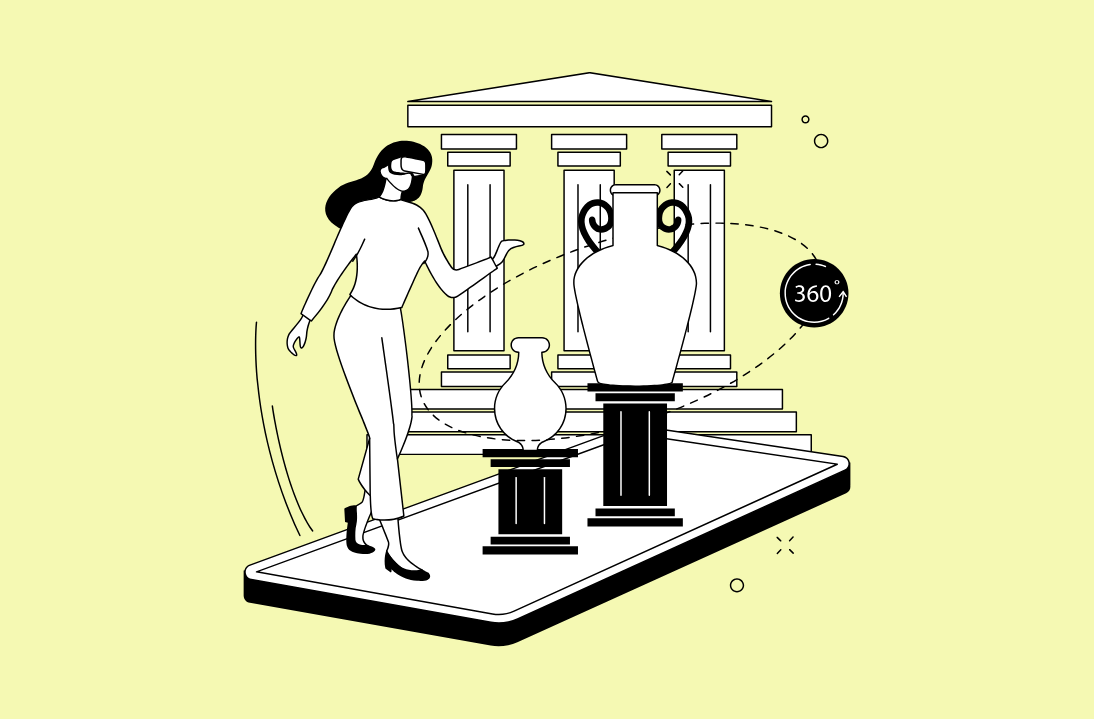
Dubai has taken another step forward in its artistic development with the official opening of the Dubai Museum of Art (DUMA), a major cultural project situated on the island of Dubai Creek. Designed by the renowned architect Tadao Ando, the building draws inspiration from the region’s traditional maritime symbols — the sea, the pearl and light — to create a contemporary architectural design that is both bold and respectful of the region’s heritage.
An architectural masterpiece by Tadao Ando
DUMA immediately establishes itself as a visual and symbolic landmark, with its circular structure featuring clean lines and its spectacular interior lighting effects. The building stands on five levels, comprising:
some contemporary art galleries open to international artists and emerging talent from the region,
a panoramic restaurant with a view of the Creek,
a VIP lounge intended for collectors and cultural partners,
and several flexible spaces for temporary exhibitions, events and conferences.
The whole thing has been designed to offer a immersive experience, where the architecture interacts with the artworks and the visitors.
A place where innovation and culture come together
Much more than a traditional museum, the Dubai Museum of Art positions itself as a hub for artistic innovation. It aims to attract artists, curators, investors and patrons from around the world, by offering them a space for creativity, exchange and reflection in the heart of one of the world’s most dynamic cities.
Dubai thus continues to diversify its image beyond the worlds of luxury and finance, by affirming its determination to become a global capital of culture and the creative industries. The DUMA complements a rapidly expanding ecosystem comprising private galleries, art fairs, artist residencies, festivals and international events.
A driver of tourism and economic growth
The opening of the DUMA is also part of an ambitious tourism strategy. By diversifying its cultural offering, Dubai is attracting a new type of visitor: collectors, art lovers, intellectuals, cultural professionals.
This project is in addition to the government’s recent initiatives to strengthen the emirate’s international profile: artistic neighbourhoods such as Alserkal Avenue, support for NFTs and digital art, partnerships with major global institutions…
The Dubai Museum of Art thus becomes a new driver of appeal, at the crossroads of culture, investment and high-end tourism.
Conclusion
With the opening of the Dubai Museum of Art, Dubai is no longer content merely to be an architectural or commercial showcase: it is becoming a cultural scene in its own right. By entrusting the design of this venue to Tadao Ando and incorporating an ambitious programme of events, the emirate is demonstrating its commitment to to foster a dialogue between tradition, modernity and contemporary creativity. From the moment it opened, the DUMA established itself as a a powerful symbol of Dubai’s new cultural identity.
Share this article:
See more articles